
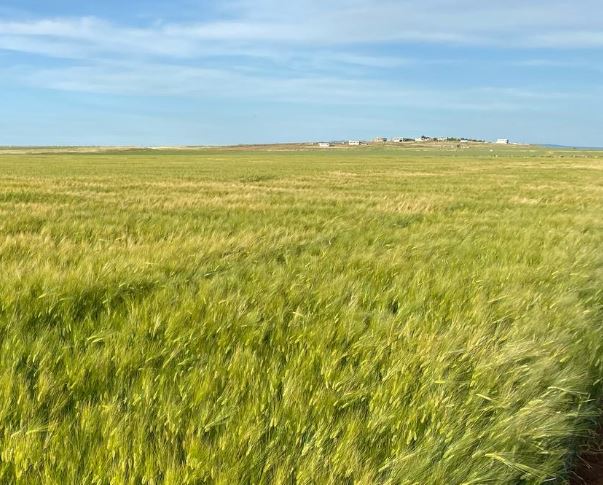
Seed is the first and most critical link to yield. Using the right variety and quality seed in the same field under the same climate conditions can yield a difference of 8–20%. At Kalender Tohumculuk, we've summarized the results from our field trials.
“Right variety + healthy seed + proper field preparation = safe yield.”
1) Variety Suitable for Regional Ecology
Each variety has different climate and soil requirements. Drought tolerance and resistance to heat stress are prominent in southeastern regions. In inland areas, cold and winter hardiness are decisive.
- Consider regression analysis trial results.
- Consider the average of the last three years more valuable than a single-year record.
2) Certified Seed Standard
Certified lots guarantee lower limits for germination and purity. Weed and admixture risks are also low.
- Choose lots with germination rates ≥ 94% and purity ≥ 98%.
- Request the lot number and analysis sheet.
3) Seed Bed and Calibration
Homogeneous seed distribution is essential for uniform emergence.
- When the soil is ready, prepare without compacting.
- Achieve the target seed/m² value with pre-planting calibration.
- Planting depth should be fixed at 3–5 cm.
4) Nutrition Strategy
Develop a plan based on soil analysis. Nitrogen-phosphorus balance should be targeted at the tillering and grain filling stages.
- Initial nitrogen supplementation at the beginning of tillering and supplementation at stem emergence.
- Consider sulfur and zinc supplementation in low organic matter soils.
5) Disease Management
Early warning and an accurate application schedule are as important as variety selection.
- Follow early warning bulletins during seasons with high rust and powdery mildew risk.
- Seed treatment and foliar protection during critical periods reduce yield loss.
Uniform seed distribution is essential for uniform emergence.
- Once the soil is ready, prepare without compacting.
- Achieve the target seed/m² value with pre-planting calibration.
- Planting depth should be fixed at 3–5 cm.
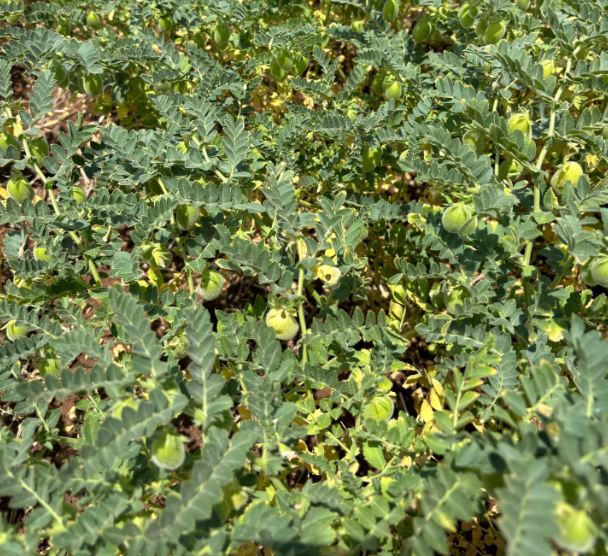
Soil pH: 6.5–7.8 • Sowing density: 300–450 seeds/m² • Thousand grain weight target: 43–48 g Contact us for detailed field results and lot-based analyses.