
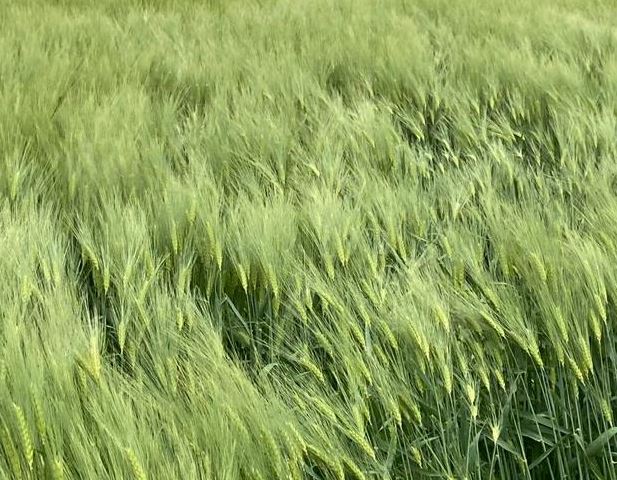
Seed selection directly impacts barley's performance under drought conditions. In regions with low rainfall, such as the Southeast and Central Anatolia, choosing drought-tolerant varieties is crucial for high yields. Below, we've compiled key points to consider when choosing the right variety for yo
“Hint: In arid regions, heading time of early varieties directly affects yi
1) Selecting Varieties Suitable for the Regional Ecology
In regions with intense drought stress, varieties that:
- Tilter quickly and mature quickly,
- Strong root structure, use water efficiently, and
- Tolerate high temperatures are preferred.
For the Southeast: Earlier varieties with high heat tolerance.
For Central Anatolia: Semi-early varieties that are cold-resistant and drought-adapted.
2) Using Certified Seed
Certified barley seeds:
- Increase emergence success in dry conditions,
- Provide a homogeneous plant cover,
- Increase yield through stronger root development.
It is important to verify the purity, germination, and moisture values of certified seed on the label.
3) Soil Preparation and Planting Density
In dry areas, the right planting strategy makes a difference in yield:
- Tillage the soil to reduce moisture loss.
- Reduce planting density → This allows for more tillers per plant.
- Keeping row spacing between 12–16 cm is generally appropriate.
4) Fertilization Program
Balanced fertilization plays a critical role in drought-tolerant barley:
- Avoid excessive nitrogen application. Excess nitrogen can cause plant lodging and poor quality in arid regions.
- Phosphorus enhances root development and strengthens resistance to drought stress.
- Zinc supplementation is recommended in soils with low organic matter.
5) Disease and Pest Management
Even under drought conditions, some fungal diseases (powdery mildew, leaf spot) can affect yield.
- Choose resistant varieties.
- Apply post-emergence preventative spraying if necessary.
- Conduct regular field checks for pest populations.
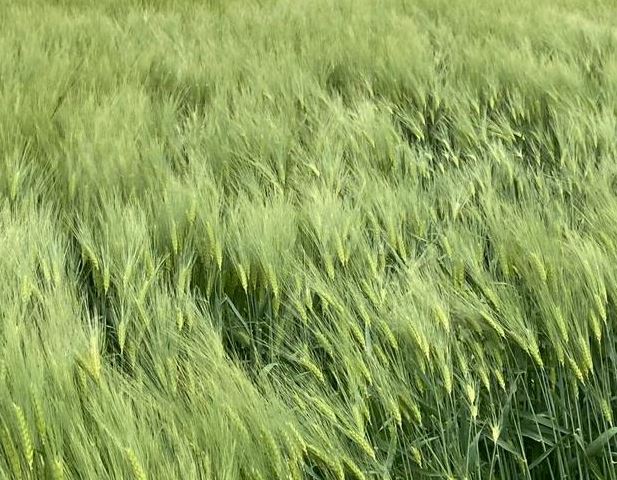
“Note: Certified seed increases emergence success against drought stress by 10–20%.”